Credit Card Debt Crisis 2026 :
There’s a specific kind of anxiety that comes with credit card debt. It’s not just the number on the statement. It’s the way it hangs over your life—quietly stealing joy from your paycheck before you even touch it. It’s the moment you realize your payment didn’t really lower the balance… it mostly fed the interest.
If you’re here, I want you to hear this clearly: You are not broken. You’re not “bad with money.” You’re dealing with a system where interest rates remain painfully high, and a single rough season can turn into a long-term spiral.
This guide is your 7-step plan to get out of credit card debt faster in 2026—using the strategy that fits your brain, your budget, and your life: Avalanche vs Snowball vs Consolidation—without destroying your monthly cash flow.
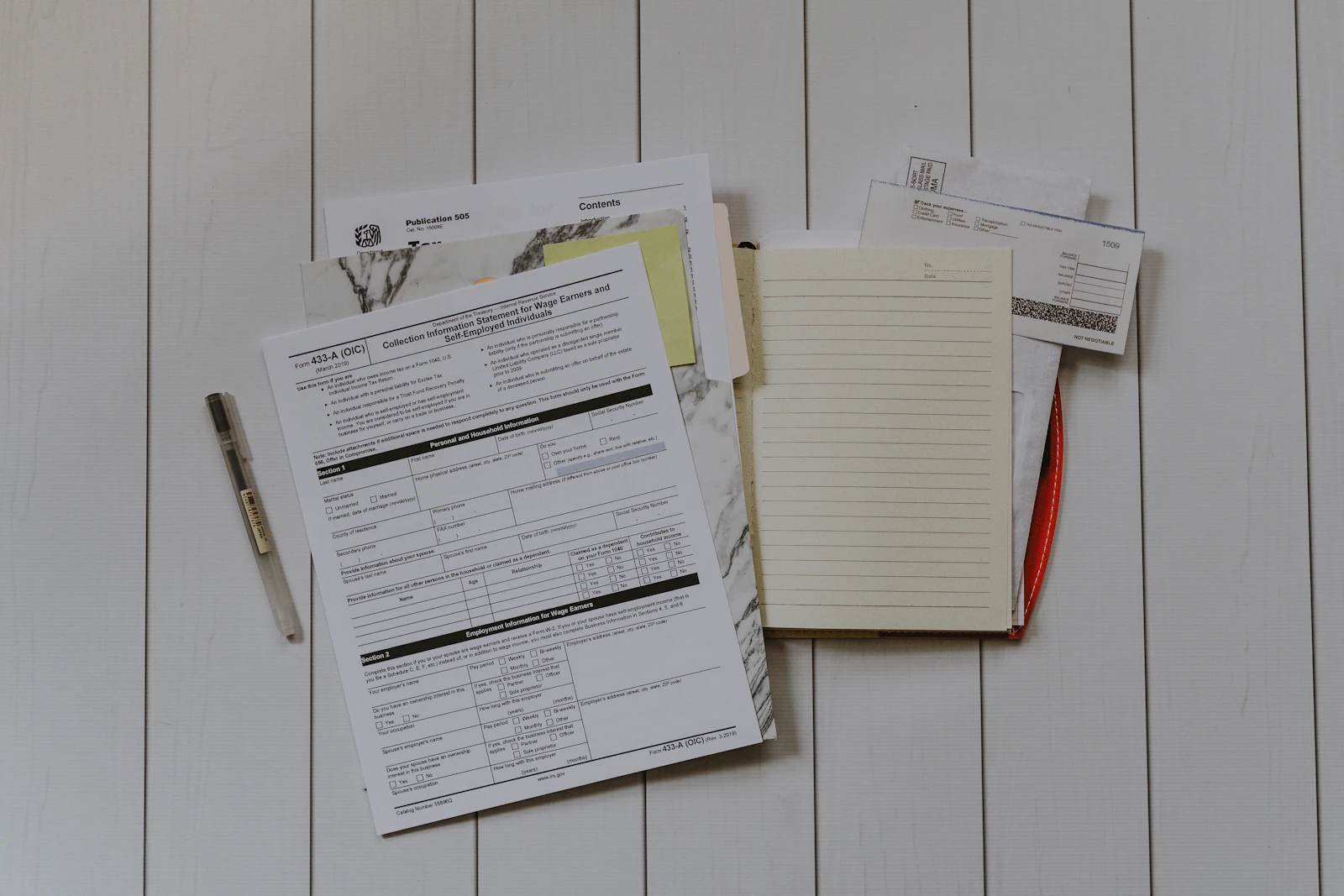
Quick Reality Check: Why Credit Card Debt Feels So Heavy in 2026
Credit card debt hits harder when APRs are high. In 2026, many people are still dealing with interest rates that can easily sit in the 20%+ range depending on the card and credit profile. When your interest is that expensive, it can feel like you’re running on a treadmill: exhausted, sweating, and somehow still in the same place.
But here’s the good news: debt payoff is not about perfection. It’s about having a plan that you can stick to even on the messy months.
Disclaimer: This article is educational and not financial advice. Always confirm rates, fees, and eligibility with lenders before applying.
The 7-Step Plan to Get Out of Credit Card Debt Faster (Without Killing Your Budget)
Step 1) Stop the Bleeding (Yes, Even Before You “Start Paying It Off”)
Before we attack balances, we stop new damage. You don’t need to “never use a card again,” but you do need a short-term rule:
- Pause non-essential card spending for 30–60 days.
- Switch essentials to debit/cash (or a single card you pay weekly).
- Remove saved card details from shopping apps (this one change is powerful).
This is not punishment. It’s a pressure-release valve. It buys you control.

Step 2) List Every Card (And Make It So Clear It’s Almost Annoying)
Create a simple list. No judgment. Just facts:
| Card | Balance | APR | Minimum | Due Date |
|---|---|---|---|---|
| Card A | $____ | __% | $____ | __/__ |
| Card B | $____ | __% | $____ | __/__ |
This list is your dashboard. We can’t fix what we can’t see.
Step 3) Build a “Debt-Safe” Budget (So You Don’t Keep Restarting)
A budget that’s too strict is the fastest way to relapse into spending. Your goal is not a beautiful spreadsheet. Your goal is a budget you can live with.
Try this simple structure:
- Essentials: rent/mortgage, groceries, utilities, transport
- Minimum payments: on every card (non-negotiable)
- Debt Attack Amount: extra money you’ll throw at one target card
- Life Money: a small weekly amount for normal joy (so you don’t snap)
High-retention truth: If your plan requires you to suffer nonstop, you won’t follow it. A “debt-safe” budget includes breathing room—on purpose.
Step 4) Choose Your Weapon: Avalanche vs Snowball vs Consolidation
Option A: The Avalanche Method (Fastest mathematically)
How it works: Pay minimums on all cards, then put every extra rupee/dollar into the card with the highest APR. Once it’s paid off, roll that payment into the next-highest APR card.
Best for you if: you’re motivated by logic, numbers, and you want the lowest total interest cost.
Option B: The Snowball Method (Fastest emotionally)
How it works: Pay minimums on all cards, then attack the card with the smallest balance first. You collect quick wins and build momentum.
Best for you if: you feel overwhelmed and need progress you can see fast.
Option C: Consolidation (Fastest structurally—when done right)
Consolidation can lower your interest and simplify payments—but only if fees and terms make sense. Common paths include:
- Balance transfer card (0% intro APR): great if you can pay it down before the promo ends.
- Personal loan: fixed payment, fixed timeline (can be easier psychologically).
- Credit union options: sometimes lower rates than big banks.
Important: Consolidation is not a magic wand. It works when you stop new credit card spending AND commit to the payoff timeline.
Step 5) Use the “Minimum + Attack” Formula (So You Never Miss a Payment)
Here’s the simple rule that makes your plan bulletproof:
- Set autopay for minimum payments on every card.
- Manually pay your Attack Amount on payday (or weekly).
Autopay protects your credit and reduces late fees. Manual attack payments keep you emotionally connected to progress.

Step 6) Negotiate Like Your Future Self Depends on It (Because It Does)
This step is underrated and can save real money. Call your card issuer(s) and ask for:
- a temporary APR reduction
- a hardship plan (if you’ve lost income or are behind)
- a fee waiver (late fee, annual fee—ask politely)
What to say (copy/paste script):
“Hi, I’m working on a payoff plan and I want to keep my account in good standing. Is there a way to reduce my APR or place me on a temporary hardship program so more of my payment goes toward the balance?”
Step 7) Protect Your Momentum (The Part Nobody Tells You)
Debt payoff is not only math. It’s identity. The biggest risk isn’t that you “can’t do it”—it’s that you’ll get tired and start thinking it’s hopeless.
Use these momentum protectors:
- Track progress weekly (not daily—daily makes you obsessive).
- Celebrate milestones: first card paid off, first month with no late fees, first $500 reduction.
- Keep one small joy in your budget so you don’t burn out.
- Plan for “messy months”: car repair, medical bill, family obligation—life happens.
Avalanche vs Snowball vs Consolidation: Which One Should You Choose?
| Method | Best For | Main Advantage | Watch Out |
|---|---|---|---|
| Avalanche | Logic-motivated people | Lowest interest cost | Wins can feel slow at first |
| Snowball | Overwhelmed / anxious | Fast emotional momentum | May pay more interest overall |
| Consolidation | Many cards / high APR | Simpler payments, possible lower rate | Fees/terms can backfire if rushed |
FAQ: Credit Card Debt Payoff in 2026
1) Should I pay off the highest interest card first?
If you can stay consistent, yes—Avalanche usually saves the most money. But if motivation is your struggle, Snowball may keep you going longer, which can matter more than the math.
2) Will consolidation hurt my credit score?
It can cause a temporary dip (due to a hard inquiry or account changes), but many people see improvement over time if utilization drops and payments stay on time. Always compare total cost: interest + fees + timeline.
3) What if I can only afford minimum payments right now?
Start by protecting on-time payments and reducing spending leaks. Then focus on increasing income (even a small side stream) or negotiating APR/hardship options. Minimums keep you afloat; the plan helps you swim to shore.
Your Next 24 Hours: A Simple Action Checklist
- Write down every card balance + APR + minimum.
- Set autopay for minimums.
- Pick your method: Avalanche, Snowball, or Consolidation.
- Choose your weekly “Attack Amount” (even small).
- Schedule one call to request APR relief or hardship support.
Amreen’s reminder: You don’t need a perfect month to change your life. You need a plan you can repeat—especially when life isn’t perfect.
Sources (2026 updates):
Federal Reserve Consumer Credit (G.19): https://www.federalreserve.gov/releases/g19/current/
LendingTree 2026 credit card debt/APR statistics: https://www.lendingtree.com/credit-cards/study/credit-card-debt-statistics/
(Tip: You can replace sources with region-specific data if your audience is outside the U.S.)
Comments
Post a Comment